Listening to a Changing Forest: Surrey’s Woods in Sound

Step into the hush and hum of Surrey’s woodlands and notice what your ears reveal before your eyes adjust. Today we explore how climate change is altering the acoustic life of Surrey’s woods: earlier spring choruses, longer insect nights, weather-churned backgrounds, and surprising newcomers sharing space with fading regulars. Through stories, simple field tips, and community science, we invite you to listen closely, record responsibly, and help map these shifting voices so that protection and restoration efforts can respond with care and urgency.

Listening Through the Seasons

Many mornings now break with chiffchaffs and blackcaps weeks earlier than your grandparents recall, while great tits adjust phrase lengths to cooler dawns that no longer last. Early leafing alters echo and cover, helping some singers and exposing others. Logging consistent dates, even casually, reveals a creeping advance that matches temperature records and magnifies competition at the edge of every branch.
Warm evenings extend the stage for crickets, bush-crickets, and bats, pushing choruses past midnight and into dawn after hot spells. You may hear great green bush-crickets rasping from bramble, while reintroduced field crickets at Farnham Heath find more suitable nights. Yet heat can overshoot, drying ponds and silencing amphibians, so the night’s expansion is uneven and often edged by worry.
Later leaf fall and milder Decembers scatter sound differently. Jays carry acorns farther, their calls travelling through thinner canopies, while blackcaps now overwinter in gardens and hedgerows, adding unexpected winter notes. Storm-driven gaps change wind patterns and owl hunting lanes. Record these shifts near the same tree each month to hear structure altering the stage minute by minute.

Birdsong Under Pressure

Voices carried by feathers meet three converging pressures: habitat stress, temperature drift, and rising human noise. In Surrey’s woods this triad remixes who is heard, when, and how far. Nightingales thin where understory dries or is browsed by deer; blackcaps and Cetti’s warblers push north and sing in unexpected seasons; and nearby roads swell during warm tourism spikes. The result is a different conversation with consequences for breeding success and community identity.

Insects, Amphibians, and the Ground’s Low Choir

Beneath the fluted treetop arias, the forest floor holds a dependable pulse—until rainfall patterns, drought, and heat waves tune it up or shut it down. Crickets quicken their tempo with temperature, frogs call only when water lingers, and toads fall silent during prolonged dry spells. In Surrey, careful night walks reveal these delicate balances and remind us to manage for moisture, mosaic, and shelter.

Crickets Tune to Heat

Listen for the rising rattle as twilight warms: stridulation frequency increases with temperature, a field version of Dolbear’s Law that turns your ears into a thermometer. Great green bush-crickets rasp from bramble arches, while field crickets at Farnham Heath announce territories. Logging chirp rates beside air readings turns casual strolls into surprisingly rigorous climate notes.

Frogs Wait for Rain That Comes Late

Common frogs and toads time choruses to puddles, ruts, and ponds that sometimes arrive weeks after the old norm. When precipitation drifts, the expected dusk buzz is replaced by rustling leaves and fox steps on dry paths. Simple acts—like retaining shaded ditches and avoiding pond clearance during heat—can keep this base layer alive in a warming year.

A Reintroduction Teaches Resilience

Farnham Heath’s field cricket project shows how patience, habitat structure, and community listening rebuild a lost instrument. Warmer nights help the comeback, yet drought can erase gains overnight. Volunteers logging first songs, predation signs, and vegetation height produce the granular data conservationists need to steer management through volatile seasons without losing the growing chorus.

Wind, Leaves, and the Physics of a Forest’s Voice

Sound is not only performer but place. Leaf area, humidity, soil softness, and wind shear shape which notes carry and which dissolve. Climate change modifies each dial: drought thins canopies, storms open gaps, and heat alters air density. In Surrey’s woods the result is a shifting filter, making some birds seem louder, others farther, and rains either muffling or crystalline.

Technology and Community Ears

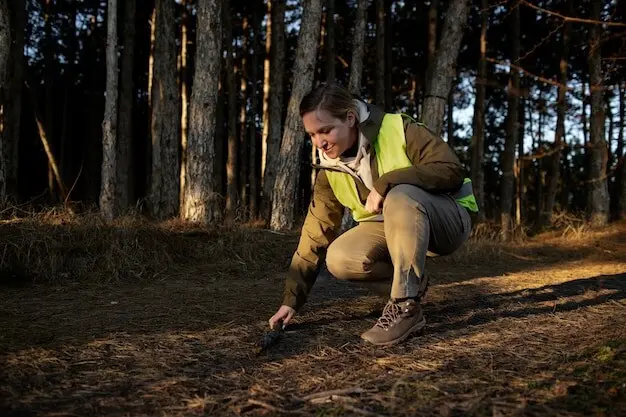
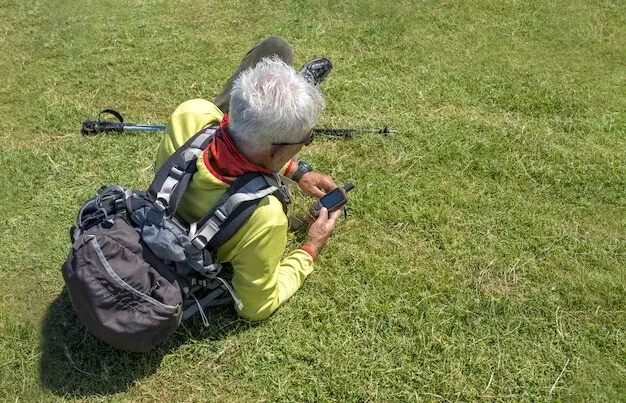
Your microphone can be a tiny conservation tool. With a phone, an AudioMoth, or a simple handheld recorder, you can capture dawn, dusk, and storm-lull soundscapes across Surrey, then share them for analysis. Clear metadata—date, time, location, weather—makes every clip useful. Together we can map changes, spot early warnings, and prioritize places where sound is fraying fastest.

Stories from the Path

A Nightjar’s Steady Wheel

On a warm June night above a heathy woodland edge, a nightjar’s churring spun like a bicycle wheel, constant and hypnotic. Warmer dusk kept midges airborne longer, and the bird drifted between perches with lazy confidence. When a cold front arrived, the wheel slowed, reminding us how fragile such evenings can be and why records matter.

The Silent Heatwave Morning

On a warm June night above a heathy woodland edge, a nightjar’s churring spun like a bicycle wheel, constant and hypnotic. Warmer dusk kept midges airborne longer, and the bird drifted between perches with lazy confidence. When a cold front arrived, the wheel slowed, reminding us how fragile such evenings can be and why records matter.

Kids with Lanterns and Listening Games

On a warm June night above a heathy woodland edge, a nightjar’s churring spun like a bicycle wheel, constant and hypnotic. Warmer dusk kept midges airborne longer, and the bird drifted between perches with lazy confidence. When a cold front arrived, the wheel slowed, reminding us how fragile such evenings can be and why records matter.

Protect the Living Stage

Woodland acoustics depend on structure. Advocate for coppice rotations, deadwood retention, and deer management that allow dense understory to rebound. Encourage buffer plantings near roads to damp droning. If you steward a patch, add ponds, shade, and nectar, then leave quiet periods during breeding so vulnerable voices can carry safely and successfully.

Choose Quieter Habits

Replace leaf blowers with brooms where possible, pick softer tires for wheelbarrows, and speak gently in nesting zones. Visit early or late to avoid crowds when heat draws many visitors. Teach friends how sound shapes wildlife behavior, and show that considerate presence enhances both human calm and the wild music everyone hopes to keep.
Pexipalotarizori
Privacy Overview

This website uses cookies so that we can provide you with the best user experience possible. Cookie information is stored in your browser and performs functions such as recognising you when you return to our website and helping our team to understand which sections of the website you find most interesting and useful.